
Naperville, IL 60563
Se Habla Español
Call Today for a Free Consultation
 630-448-2001


What Happens if Your Child Is Arrested for Drugs in Illinois?
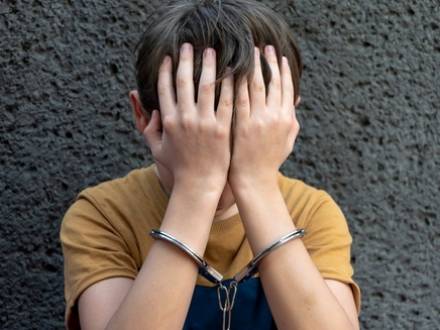 If your child was arrested for a drug offense in Illinois, the juvenile court system works very differently from adult court. Illinois law focuses more on rehabilitation than punishment for young people, and there are real options that can keep this from following your child for the rest of their life.
What you do in the first days after an arrest can make a significant difference. Our DuPage County, IL juvenile drug crimes defense lawyer is here to help your family figure out the right next steps.
How Does Illinois Handle Drug Charges for Juveniles?
When a child under 18 is arrested for a drug offense, the case usually goes through the juvenile court system. This system is governed by the Illinois Juvenile Court Act, 705 ILCS 405. Judges have more flexibility in how they handle cases, and there are more options to keep a drug charge from permanently affecting your child's life.
That said, the juvenile system is still a legal process with real consequences. A drug charge can result in probation, mandatory treatment, community service, or, in more serious cases, placement in a juvenile detention facility. An experienced attorney can help you fight for the best possible outcome.
What Drug Charges Can a Juvenile Face in Illinois?
The specific charge your child faces depends on what substance was involved and how much was found. Common charges for juveniles include:
-
Simple possession of a controlled substance under 720 ILCS 570/402
-
Possession of cannabis beyond legal limits under the Cannabis Regulation and Tax Act, 410 ILCS 705
-
Possession with intent to deliver, which is much more serious and can lead to felony-level consequences, even in juvenile court
The type of drug matters, too. Possession of small amounts of cannabis is treated differently from possession of harder substances like cocaine, heroin, or prescription pills obtained without a prescription.
An attorney who knows how DuPage County handles these cases can give you a clear picture of what your child is actually facing.
What Is the Difference Between Juvenile Court and Adult Court for Drug Charges?
Most juvenile drug cases stay in juvenile court. But there are situations where a case can be moved to adult court. This is more likely when the charge is very serious, when the amount of drugs involved is large, or when the juvenile has a prior record. If a case moves to adult court, your child would face the same consequences as an adult. That includes the possibility of a permanent criminal record and much harsher sentencing ranges.
This is one of the most important reasons to get an attorney involved right away. An attorney can work to keep the case in juvenile court, where more options are available, and outcomes are generally less severe.
Are There Diversion Programs Available for Juveniles in Illinois?
Illinois has expanded its diversion and alternative sentencing options in recent years. Many of these programs are available to juvenile defendants. Options that may be available to your child include:
-
Diversion programs that result in charge dismissal if your child completes required treatment, classes, and community service
-
Juvenile drug court, which focuses on treatment and rehabilitation rather than punishment
-
Probation with conditions such as counseling and drug testing
Not every child will qualify for every program. Eligibility depends on the specific charge, the substance involved, and your child's history. An attorney can identify which options apply and fight for your child to be placed in a program rather than face a harsher outcome.
Will a Juvenile Drug Arrest Stay on Your Child's Record?
This is one of the questions parents ask most often, and it is a fair concern. Juvenile records in Illinois are not automatically public, but they do exist and can be accessed in certain situations. Illinois law allows the expungement of many juvenile records, meaning the record can be cleared under the right circumstances.
Getting a charge resolved through a diversion program or having a case dismissed gives your child a much better chance of keeping this off their permanent record. Working with an attorney who understands the juvenile court process in DuPage County can make that outcome far more likely.
Schedule a Free Consultation With Our Will County, IL Teen Drug Arrest Defense Attorney
Your child's future does not have to be defined by one arrest. Illinois law gives juveniles real opportunities to move forward without a permanent record. Taking advantage of those opportunities requires knowing how the system works and having someone fighting for the best possible outcome. At Law Office of Patricia Magaña, LLC, we are ready to help. Call 630-448-2001 today to schedule a free consultation with our DuPage County, IL juvenile drug crimes defense lawyer.



1555 Bond Street, Suite 103A, Naperville, IL 60563

Contact Our Firm
 The use of the Internet or this form for communication with the firm or any individual member of the firm does not establish an attorney-client relationship. Confidential or time-sensitive information should not be sent through this form.
I have read and understand the Disclaimer and Privacy Policy.