
Naperville, IL 60563
Se Habla Español
Call Today for a Free Consultation
 630-448-2001


Understanding the Different Types of Breathalyzer Tests in DUI Cases
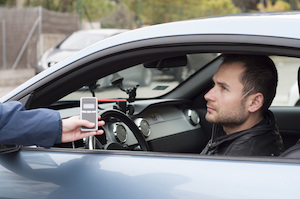
If you were stopped for a DUI in Illinois, there is a good chance you were asked to take a breathalyzer test. But not all breathalyzer tests are the same. The type of test used and when it was given can make a real difference in your case. Some tests are more reliable than others, and some carry legal consequences if you refuse them. If you are facing a DUI charge in 2026, a Will County DUI defense lawyer can review the details of your case and find the best possible way to fight back.
What Is a Preliminary Breath Test and Do You Have to Take It?
In Illinois, there are two main types of breath tests used in DUI cases. They are used at different points during the stop, and they carry very different legal weight.
The first is the Preliminary Breath Test (PBT). A PBT is a portable, handheld device that an officer may ask you to blow into during a roadside stop. Officers use it to help establish probable cause to make a DUI arrest. The results are not as reliable as the station-based test, and under Illinois law, the results of a PBT are generally not admissible as evidence of your actual BAC at trial.
Under 625 ILCS 5/11-501.5, Illinois law allows officers to request a PBT when they have reasonable suspicion that a driver is under the influence. Refusing a PBT in Illinois does not trigger the automatic license suspension that comes with refusing the station test. Because PBT results carry limited evidentiary value and refusal only results in a fine, many attorneys advise clients to decline the PBT.
What Is the Intoxilyzer 9000 and When Is It Used?
The Intoxilyzer 9000 is the breathalyzer device used at the police station after a DUI arrest. It is a larger, more sophisticated machine than the handheld PBT, and its results are considered far more reliable. The results of the Intoxilyzer 9000 are admissible in court and are often the centerpiece of the prosecution's case against a DUI defendant.
Under 625 ILCS 5/11-501.2, the results of a properly administered chemical breath test can be used as evidence in a DUI prosecution. For the results to be admissible, the test has to be administered by a certified operator, the device has to be properly maintained and calibrated, and the officer has to follow specific procedures including a required observation period before the test is given.
What Happens if You Refuse the Station Breathalyzer Test in Illinois?
Refusing the Intoxilyzer 9000 at the police station triggers Illinois's implied consent law. Under 625 ILCS 5/11-501.1, any person who drives on a public road in Illinois is deemed to have consented to chemical testing if they are lawfully arrested for DUI. Refusing that test results in an automatic statutory summary suspension of your driver's license.
For a first refusal, the suspension is 12 months. For a second or subsequent refusal within five years, the suspension is three years. These suspensions are longer than the suspensions that come with taking the test and failing it, which is something to weigh carefully.
A refusal can also be used as evidence against you at trial. The prosecution is allowed to argue that you refused because you knew you were intoxicated. Your attorney can address this argument, but it is something to be aware of.
Can the Breathalyzer Results Be Challenged in Court?
Even a station-based breathalyzer result is not automatically accepted as accurate. There are several ways to challenge the result.
Common challenges include:
- The device was not properly calibrated or maintained within the required timeframe.
- The officer administering the test was not properly certified to use the Intoxilyzer 9000.
- The required 20-minute observation period before the test was not followed.
- A medical condition such as acid reflux, diabetes, or a low-carbohydrate diet caused a falsely elevated reading.
- The device detected mouth alcohol from a recent burp, belch, or use of mouthwash rather than deep lung air.
- There were problems with how the test results were documented or preserved.
Your attorney will request the maintenance and calibration records for the specific device used in your case and examine every part of the testing process for errors or procedural violations.
Schedule a Free Consultation With Our Aurora, IL DUI Defense Attorney
Understanding the breathalyzer tests used in your case is a critical part of building a strong DUI defense. You need a Will County DUI defense lawyer who will dig into every detail and fight hard to win your case. Contact the Law Office of Patricia Magaña, LLC at 630-448-2001 to schedule your free consultation with a team you can trust.
Se habla español.


1555 Bond Street, Suite 103A, Naperville, IL 60563

Contact Our Firm
 The use of the Internet or this form for communication with the firm or any individual member of the firm does not establish an attorney-client relationship. Confidential or time-sensitive information should not be sent through this form.
I have read and understand the Disclaimer and Privacy Policy.